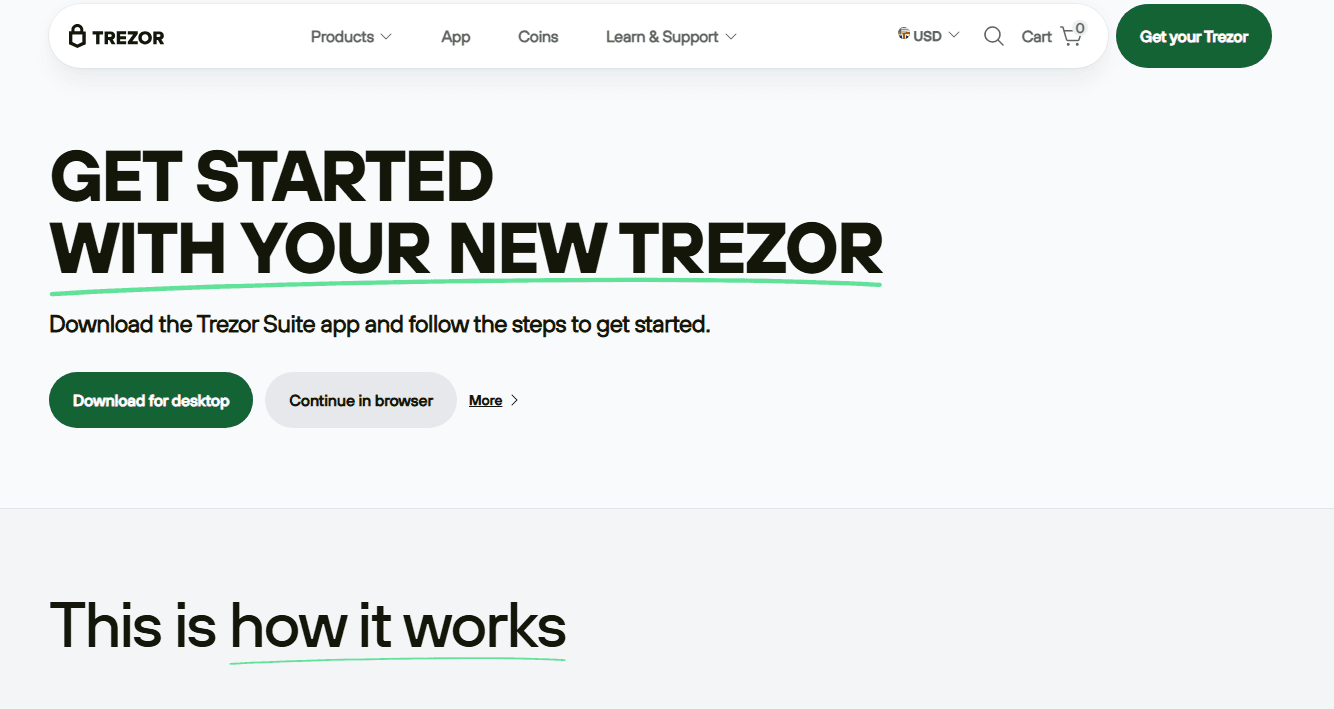
Trezor Login: Step-by-Step Guide to Securely Access Your Wallet
Accessing your cryptocurrency securely is just as important as storing it safely. Unlike traditional banking systems, cryptocurrencies are decentralized, meaning there is no central authority to recover lost funds. Users are fully responsible for managing wallets and private keys. Trezor hardware wallets provide a secure solution for storing and managing digital assets, but knowing how to log in safely is critical for protecting your investments.
This comprehensive guide covers Trezor login from start to finish. You will learn how to connect your device, enter your PIN, optionally use a passphrase, access Trezor Suite, send and receive cryptocurrencies, and follow security best practices to maintain full control of your funds.
Why Trezor Login Security Matters
Logging into a Trezor wallet is more than entering a PIN; it is a critical step in safeguarding your assets. Each login gives access to your private keys and can authorize transactions if mishandled. Improper login practices, such as using insecure devices or sharing credentials, can compromise your wallet and result in financial loss.
Trezor login emphasizes:
Secure authentication using a PIN code
Optional passphrase for enhanced security
Integration with Trezor Suite for portfolio management
Safe transaction verification and best security practices
By following secure login procedures, users ensure that their digital assets remain under their control at all times.
Step 1: Prepare a Secure Environment
Before logging in, it is essential to create a safe environment:
Use a trusted computer or mobile device
Avoid public or shared devices
Ensure that your device firmware is up to date
Confirm Trezor Suite is installed and verified
A secure environment reduces the risk of malware or unauthorized access during the login process.
Step 2: Connect Your Trezor Device
Connect your Trezor hardware wallet to your computer or mobile device using the supplied USB cable. Once connected, the device powers on and displays a welcome message, signaling it is ready for login. Physical connection ensures that only someone with the device can access the wallet, reducing the risk of remote hacking attempts.
Proper connection is the first step toward a secure login session and helps establish a trusted link between the hardware wallet and Trezor Suite.
Step 3: Launch Trezor Suite
Trezor Suite is the official application for managing cryptocurrency accounts. Opening Trezor Suite allows you to interface securely with your wallet. The software communicates directly with the device, providing access to balances, transaction history, and account management functions without exposing private keys.
Using Trezor Suite ensures that your login and wallet management remain both convenient and secure.
Step 4: Enter Your PIN Code
After connecting your device and opening Trezor Suite, you will be prompted to enter your PIN code. The PIN was set during wallet initialization and serves as the primary authentication method for accessing your wallet.
PIN Tips:
Use a unique combination that is difficult to guess
Avoid simple sequences like birthdays or repeated numbers
Never share your PIN with anyone
Trezor devices display a randomized numeric keypad on the device screen, preventing keylogging or observation attacks.
Step 5: Optional Passphrase for Added Security
For additional protection, Trezor allows you to use an optional passphrase in addition to your PIN. The passphrase functions as an extra word added to your recovery seed, creating a hidden layer of security.
Passphrase Best Practices:
Choose a long, unique, and memorable phrase
Keep it stored offline in a secure location
Do not enter it into online forms or share it with anyone
Using a passphrase ensures that even if someone obtains your PIN and device, they cannot access your wallet without the additional passphrase.
Step 6: Unlock Your Wallet
After entering the PIN and optional passphrase correctly, your Trezor wallet unlocks. You can now access Trezor Suite to manage accounts, view balances, and monitor transactions securely. All operations remain protected because private keys never leave the hardware wallet during login or transaction processes.
Step 7: Sending and Receiving Cryptocurrencies
Once logged in, you can send and receive cryptocurrencies safely. Every transaction must be physically confirmed on the Trezor device. This means verifying the recipient address, amount, and fees directly on the device screen before authorizing the transaction.
Key points for secure transactions:
Double-check recipient addresses carefully
Confirm transaction amounts and fees on the device
Never authorize transactions you do not fully understand
Physical confirmation ensures that unauthorized transactions cannot occur, even if the connected computer is compromised.
Step 8: Logging Out and Device Management
After completing your session, it is crucial to log out and disconnect your device. Leaving the wallet connected or logged in can increase the risk of unauthorized access.
Recommended practices include:
Disconnecting the device when not in use
Storing the hardware wallet in a secure location
Keeping firmware updated to ensure continued security
Proper device management complements secure login practices, maintaining the safety of your assets over time.
Best Practices for Trezor Login Security
To maximize protection during login and wallet use, follow these guidelines:
Always use the official Trezor Suite application
Never share your PIN or passphrase
Store your recovery seed securely offline
Disconnect the device when not in use
Keep firmware up to date
These practices minimize risks from phishing, malware, and unauthorized access.
Trezor Login for Beginners and Advanced Users
Trezor login procedures are designed to be simple and secure. Beginners benefit from clear guidance to prevent setup errors and maintain wallet safety. Advanced users have access to additional security features such as passphrases, randomized PIN entry, and on-device transaction verification. This ensures that every user, regardless of experience, can access their wallet safely and efficiently.
The Role of Trezor Login in Overall Security
Trezor login is a critical component of your wallet’s security framework. Proper login practices protect private keys, keep recovery seeds confidential, and prevent unauthorized transactions. Each login session, from device connection to transaction confirmation, reinforces self-custody and responsible management of digital assets.
Conclusion
Trezor login is not just about accessing your wallet; it is an essential step in protecting your cryptocurrency. By following proper login procedures, users can:
Connect their Trezor device safely
Enter PIN and optional passphrase securely
Access Trezor Suite to manage portfolios
Approve transactions with physical confirmation
Maintain security through logout, safe storage, and firmware updates
Whether you are new to cryptocurrencies or an experienced investor, mastering Trezor login is essential for long-term asset security. Correct login practices protect funds, maintain privacy, and ensure full control over your digital assets.
By following this guide, users gain confidence in securely logging in, managing accounts, and executing transactions safely, establishing a strong foundation for responsible and secure cryptocurrency ownership.